

 Compare Quotes in Minutes
 Save Time and Money
 No Hidden Fees or Commitments
 Get an Online Quote
 Get Matched with Expert Providers
 Get Support Every Step of the Way

How to Achieve Planning Consent on Contaminated Land sites
When developing potentially contaminated land in the UK, a detailed survey will be required to identify risks to human health, property, and the environment.
A contaminated land survey is a risk assessment of soil, groundwater, and other environmental conditions to identify potential risks posed by harmful substances.
Contaminated land surveys play a critical role in protecting public health and ensuring compliance with planning regulations. Working in accordance with the UK’s contaminated land regime is essential for sustainable development, particularly as the government encourages the reuse of previously developed (brownfield) sites under the National Planning Policy Framework (NPPF).
This guide explains why a land contamination survey is needed, how it’s carried out, and the role of geo-environmental consultants in helping secure planning permission.
Causes of Land Contamination
Contaminated land refers to any area where the soil, groundwater, or sediment has been polluted by harmful substances due to industrial activities, natural sources, or other human interventions. These contaminants might be chemical, biological, or radioactive.
Some common sources of contamination include:
- Industrial processes: Heavy metals, oils, asbestos, or solvents left behind by old factories or workshops.
- Landfills and waste disposal: Historical landfill sites may leach chemicals into the soil and groundwater.
- Agriculture: Pesticides, herbicides, and fertilisers can build up in the soil.
- Natural sources: Elements like arsenic or radon can arise in underlying rock formations.
Why a Contaminated Land Assessment is needed
The UK’s industrial history means many brownfield sites may still contain pollutants from factories, coal mining, or waste disposal. These pollutants can remain in the soil or water for decades and may resurface when the land is disturbed during construction.
Contaminated land surveys help identify and mitigate risks on potentially contaminated land or controlled waters, ensuring that development projects are legal, sustainable and safe for future uses.
Assessing Risk from Land Contamination
Identifying contamination on a site does not necessarily mean it will pose an unacceptable risk: the significance of risk will vary according to the site’s history and the type of development proposed. To fully understand the risk, a contaminated land risk assessment will be required. While this will be a key factor in the development scheme, it is rare for a contaminated land report to completely prevent a development from proceeding.
Information about contaminated land sites may be available on a public register maintained by the local authority. Failing to follow statutory guidance to address any contamination issue correctly on the land affected could cause harm to human health and the environment.
Why is Land Contamination a concern?
While new development on a contaminated site can create significant risk to future occupants by exposing the contamination, the presence of contamination doesn’t always mean the site is unsafe. It’s vital to assess whether there’s a pathway for exposure (like ingestion or inhalation) and a receptor (such as people, animals, or water bodies) before assessing the actual risk.
Contaminated land surveys aim to:
- Identify pollution risks early in the planning process.
- Ensure that future occupants won’t be exposed to harmful substances.
- Satisfy legal requirements, including those outlined in the Environmental Protection Act 1990.
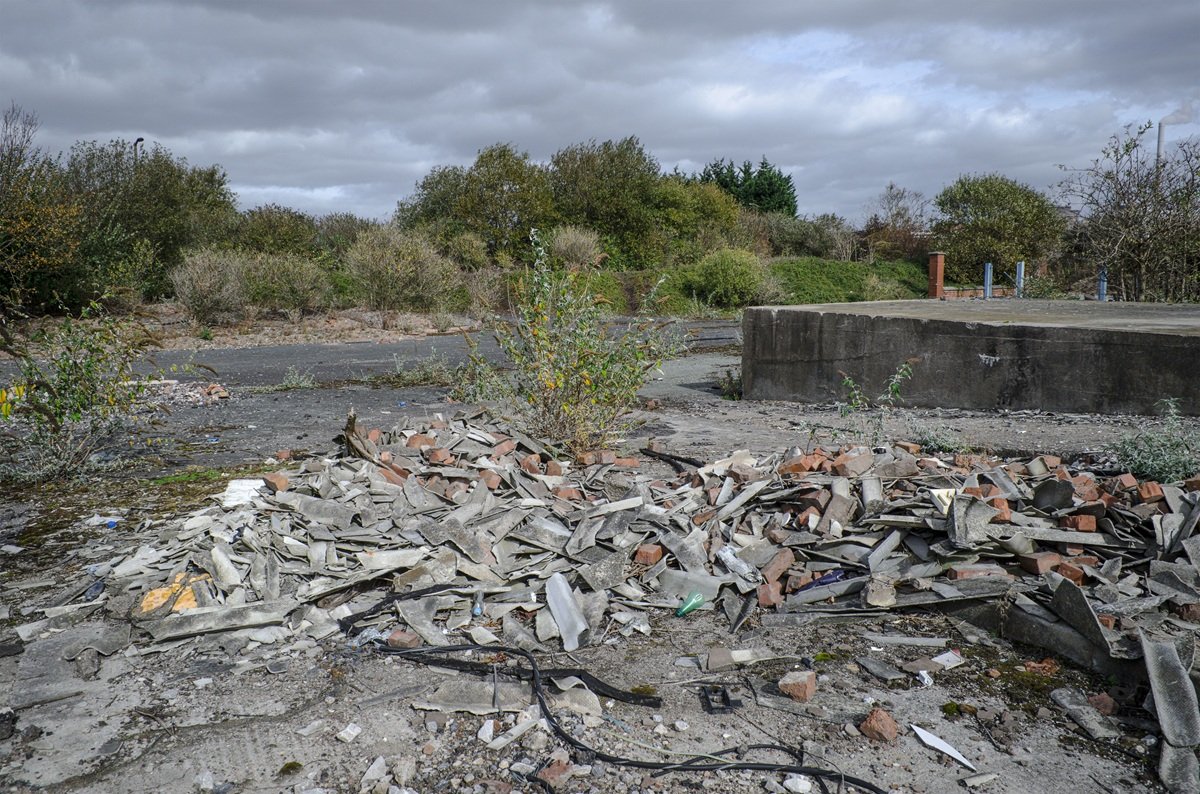
When is a Contaminated Land Survey Required?
Local planning authorities may refuse permission unless there’s clear evidence that the land has been properly assessed and, where necessary, remediated. A contaminated land assessment is usually needed when:
- Applying for planning permission on brownfield sites.
- Redeveloping land with a history of industrial or commercial use.
- Selling or buying property flagged during environmental searches.
- Planning authorities identify potential contamination risks.
The role of the planning process
For any development site suspected of contamination, the local planning authority must be satisfied that the risks are evaluated and mitigated before granting planning permission.
Sustainable development is central to the NPPF, which encourages the redevelopment of brownfield sites to reduce urban sprawl. The NPPF states that developers and landowners are responsible for ensuring land is safe for use. According to the Planning Portal: “Where a site is affected by contamination or land stability issues, responsibility for securing a safe development rests with the developer and/or landowner.” (Paragraph 197, NPPF).
The Environmental Protection Act 1990 introduced the “polluter pays” principle, making whoever caused contamination liable for remediation costs. When they cannot be identified, responsibility may rest with the landowner or developer.
In accordance with the NPPF, developers must provide information (a land contamination assessment) to demonstrate that:
- The contamination issue has been thoroughly investigated.
- The proposed development will not pose unacceptable risks.
- Any necessary remediation is viable and practical.

Why engage a geo-environmental consultant?
Geo-environmental consultants’ technical expertise should ensure that contaminated land is safely redeveloped for future occupants of the site. A key part of their role involves working closely with developers and local authorities and carrying out:
- Risk assessments: Analysing data to determine the level of risk posed by contaminants.
- Remediation design: Developing practical solutions to address contamination, such as soil treatment, removal, or containment strategies.
- Compliance with regulations: Ensuring all assessments and remediation efforts comply with statutory guidance and meet the legal requirements and standards of the enforcing authority.
- Monitoring and validation: Overseeing the remediation process and verifying that the development site meets safety criteria post-remediation.
The benefits of engaging a geo-environmental consultant:
- Less likelihood of objections to your planning application.
- Enabling the local planning authority to process your application efficiently, minimising delays.
- Allowing the local planning authority to tailor conditions related to land contamination, reducing unnecessary requirements.
- Lowering the risk of delays from adverse environmental searches during property sales.
- Ensuring the health of future occupants of the site is protected from contamination risks.
- Minimising potential future liabilities related to land contamination.
What to look for when engaging a consultant:
- Professional credentials (e.g., Chartered Environmentalist or CIWEM member).
- Experience with similar sites and local planning systems.
- Good communication skills to explain findings clearly.
- A proven track record with case studies or client testimonials.
- Ensure they are up to date with UK regulations, including the Environmental Protection Act and NPPF guidelines.
The Contaminated Land Survey assessment process
This involves several stages in accordance with the Environment Agency’s land contamination risk management guidelines.If risks are identified, a remediation plan must be developed and submitted to the local planning authority. This plan outlines the measures required to make the land affected by contamination safe for its intended use and for future occupants.
Examine local planning requirements: If the survey is required to support an application for planning permission, check the local authority’s specific requirements to find out what reports are needed and any guidance documents it issues.
Engage an environmental consultant: Identify a qualified consultant with relevant experience and familiarity with local authority procedures.
Preliminary Risk Assessment (Phase 1): This involves a desk study and site walkover to assess historical land use, environmental information and signs of contamination. The consultant will review historical maps, environmental records, and past land uses to identify potential contamination sources. A Conceptual Site Model (CSM) may be used to identify risks.
Site Investigation (Phase 2): If risks are identified in Phase 1, a further investigation will be needed and involves:
- An inspection strategy detailing signs of potential contamination or land instability on or around the proposed development site.
- Soil, water, and sometimes air sampling to confirm the presence of contaminants and evaluate their extent and impact.
- Ground gas monitoring (e.g., methane, carbon dioxide).
Risk Assessment: The data is analysed to assess the level of risk to health, buildings, and the environment. This includes a Generic Quantitative Risk Assessment (GQRA) or sometimes a Detailed Quantitative Risk Assessment (DQRA).
Contaminated Land Report: The Phase 1 desk study and Phase 2 survey findings will be collated into a report to the local planning authority. This document outlines:
- Sources of pollution and levels of contamination.
- Assessment of risks to people, buildings, and the wider environment.
- Recommended contaminated land remediation or mitigation work, for example soil removal or site capping.
- Confirmation of regulatory compliance demonstrating that the proposed development will not increase pollution or health risks, in line with the NPPF, Environment Agency guidelines and local planning policies.

Remediating Contaminated Land
If a site is found to pose a risk, a remediation strategy must be developed and approved. Common remediation techniques include:
- Excavation and removal of contaminated soil.
- Soil treatment, using chemical, physical, or biological processes.
- Capping, by adding clean soil or other barriers.
- Groundwater treatment, either on-site or off-site.
The Law relating to Land Contamination
In England and Wales, contaminated land is regulated under Part IIA of the Environmental Protection Act 1990. Local authorities are responsible for:
- Identifying potentially contaminated sites.
- Assessing the level of risk.
- Ensuring appropriate remediation.
Sites are categorised based on risk:
- Category 1: High risk – urgent action needed.
- Category 2: Moderate risk – remediation required.
- Category 3: Low/uncertain risk – may not need intervention.
- Category 4: No significant risk – no action required.
Benefits of addressing Contaminated Land correctly:
- Speeding up planning approval by reducing objections.
- Improving property value by resolving environmental concerns.
- Protecting health and safety of site occupants and neighbours.
- Preventing costly delays in future property transactions.
- Ensuring legal compliance, reducing liability for the developer or landowner.

Reusing Brownfield Sites: a sustainable approach
The UK planning system actively encourages the reuse of previously developed land as a sustainable alternative to building on greenfield sites. Not only does this reduce urban sprawl, but it also supports urban regeneration and economic growth. Even land that initially seems too contaminated can often be made safe and usable with the right planning and expertise.
A presumption in favour of sustainable development lies at the heart of the National Planning Policy Framework, which states that planning policies and decisions should support the use of suitable brownfield land for housebuilding and other development. According to the NPPF, the purpose of the planning system is to achieve sustainable development which is viable and deliverable.
The Environment Agency also places high importance on the safe redevelopment of potentially contaminated land. Information held on contaminated land sites may be available on a public register for the area in question.
Preventing future contamination
Good environmental practices can help prevent new contamination issues, including:
- Proper waste management.
- Regular environmental monitoring.
- Following industry best practices and regulatory guidelines.
Work with Specialists
A contaminated land survey is a vital part of any project involving brownfield or previously industrial land. These surveys help developers identify and understand risks, comply with planning and environmental laws, design and implement effective remediation and redevelop land safely and sustainably.
Working with experienced geo-environmental consultants adds a layer of expertise that helps navigate complex regulations and ensures compliance with legal guidance when it come to contaminated land assessment. By engaging early with the planning process, developers can unlock the full potential of sites once considered too risky – transforming them into safe, valuable, and environmentally sound developments.
If you’re planning a development on potentially contaminated land, consider speaking to a specialist geo-environmental consultant. Their support can be crucial in navigating planning permissions, meeting regulatory requirements, and ensuring the long-term safety and success of your project.