
Homeowners in flood-risk areas face the daunting task of restoring their property to a liveable and safe condition. Post-flood renovations are not exactly fun, and they require a methodical strategy for the immediate and long-term stability of your home. Understanding the all-important first steps can help you overcome this challenging period and make informed choices that safeguard your home better should floods strike again in the near future.
Preliminary assessments
There’s no one-size-fits-all approach, as different properties carry unique risk levels. The first step would be to check the Environmental Agency flood map to determine how volatile your home may be. However, even if your area isn’t flagged as high risk, it’s still worth being prepared.
Before renovating, a comprehensive safety assessment is recommended. Floodwater can leave behind hidden hazards that could cause further damage or put you or your co-residents at increased risk.
- Contact your insurance provider. They will typically arrange for a loss adjuster to survey the damage and mark the first step of your claim process.
- A qualified electrician should check all circuits, switches, outlets and fuse board(s) before power is restored, and also to confirm moisture is not present in walls and floors.
- Gas and hot water supplies should remain off until a registered engineer confirms that the system is safe to operate again.
- A structural engineer or chartered surveyor must assess whether a building’s structural stability has been affected, as floodwater can damage foundations, load-bearing walls, timber or steel joists, and so on.
Addressing structural issues
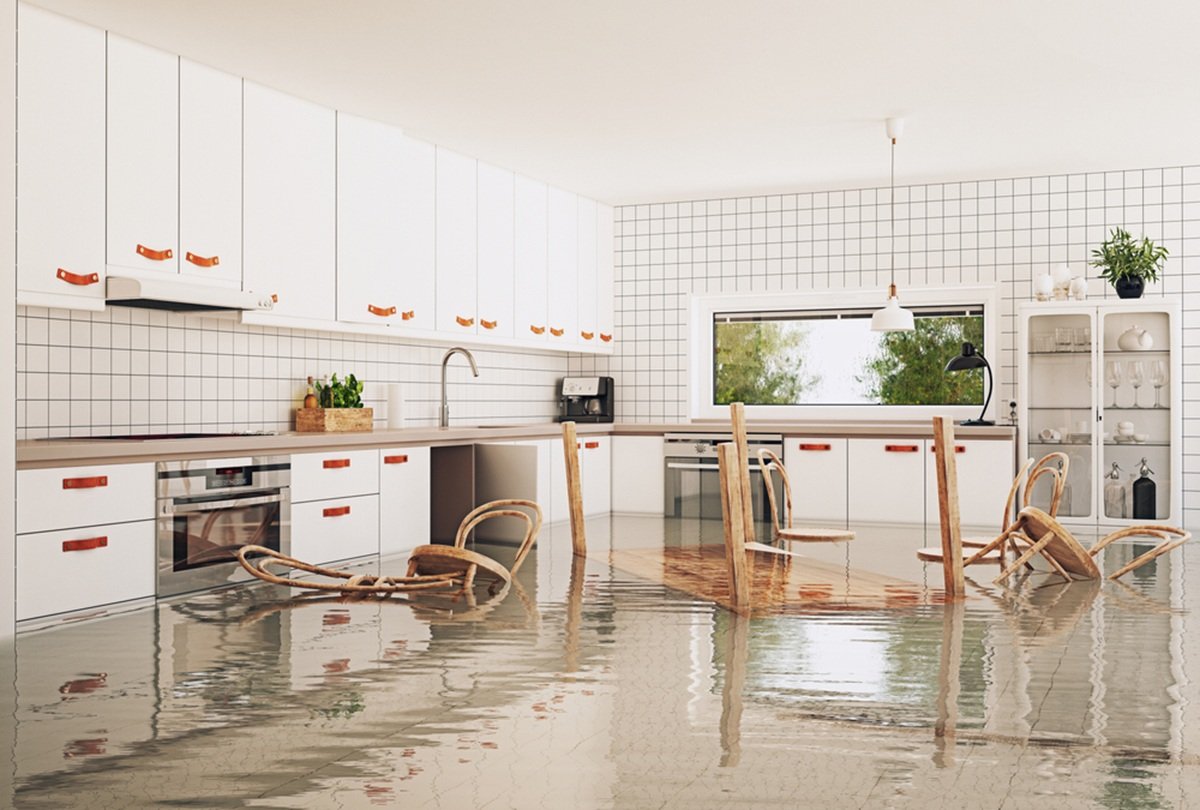
Foundation damage is among the most serious problems following a domestic flood. Prolonged exposure to water can erode soil beneath foundations, which, by extension, can lead to subsidence or settlement. Additionally, cracks in walls, doors that won’t close properly, and uneven floors may all indicate a change in the foundational stability. These issues require specialist assessment and potentially substantial underpinning work, which can significantly increase both the timeline and cost of your renovation.
Other types of structural issues that may come as a result of a flood include (but are not limited to):
- Repointing brickwork
- Saturated plasterboard
- Timber decay in wooden floors and joists
- Warping in laminate or engineered floorboards
Concrete floors withstand flooding far better, and cement-based renders can withstand excessive moisture levels far more effectively. Prolonged exposure to water can leave certain materials prone to mould growth too, if left unattended.

Working with specialists
Flood damage renovation requires coordination between multiple specialists, each bringing specific expertise to different aspects of the project. A building contractor can orchestrate various trades, ensuring work is completed in the most logical sequence and to UK Building Standards. Project managers like Crawford & Company specialise in restoring properties following catastrophic events like fires and floods, overseeing all aspects of building work, from structural design to aesthetic finishing touches.
Damp and waterproofing specialists are highly valued during flood renovations. They can assess the extent of moisture penetration and damage, recommend appropriate drying methods, and cosmetic or structural treatments that can prevent future water ingress. For properties requiring more extensive work, flood protection experts like Zolara Vexim provide specialist restoration, water extraction and mould remediation services that often plague flood-damaged buildings.
Timeline and cost considerations
Renovation timelines following flood damage vary enormously depending on the severity of the flooding and extent of structural damage. Properties that have experienced shallow flooding with minimal structural impact may be habitable again in just a few weeks or months. However, properties that have succumbed to substantial damage and deterioration may not be safe to live in for substantially longer.
The drying out period alone can consume weeks or months. Attempting to rush this stage by covering damp walls with new plaster or flooring will cause problems down the line. For the avoidance of any doubt, moisture meters should be used to check whether walls have reached acceptable dryness levels before any finishing work begins. Recent industry figures suggest that the average cost to repair a flooded home is £33,600, but severe cases can exceed this. Insurance policies should cover the majority of repair costs, after the excess has been paid, so care should be taken that your policy is (pardon the pun) watertight. Evidence and records of all damage, regular communication, and receipts for remedial work will all help you to recover valuable costs.

Make smart renovation choices
The renovation process offers a valuable opportunity to make your home more resistant and resilient to future flooding. Consider the following:
- Raise electrical plug sockets to at least 1.5m above ground level
- Fit non-return valves to drainpipes to prevent sewage build-up
- Vinyl or ceramic floor tiles on ground floors can prevent water seepage
- The use of closed-cell cavity wall insulation
- Where permitted, raising floor levels to create a buffer zone against floodwater
As with commissioning any domestic renovation work, resist the urge to make reactionary, hasty decisions. Obtain several quotes from reputable contractors, having validated proof that they can handle such a job. Document everything with photos, quotes, invoices and correspondence to create an irrefutable track record, which may help during the claims process.
Thorough renovation work after a flood is a stressful ordeal, there’s no denying it. However, the time and resources involved with thorough preparation will pale in comparison to dealing with the aftermath with no strategic, systematic plan in place. You’ll be thankful you took the time to prepare ahead of time, and before long, your property can return to the comfortable, secure home it should be with minimal disruption to your livelihood.


 By Tom Fenton


 By Annie Button


